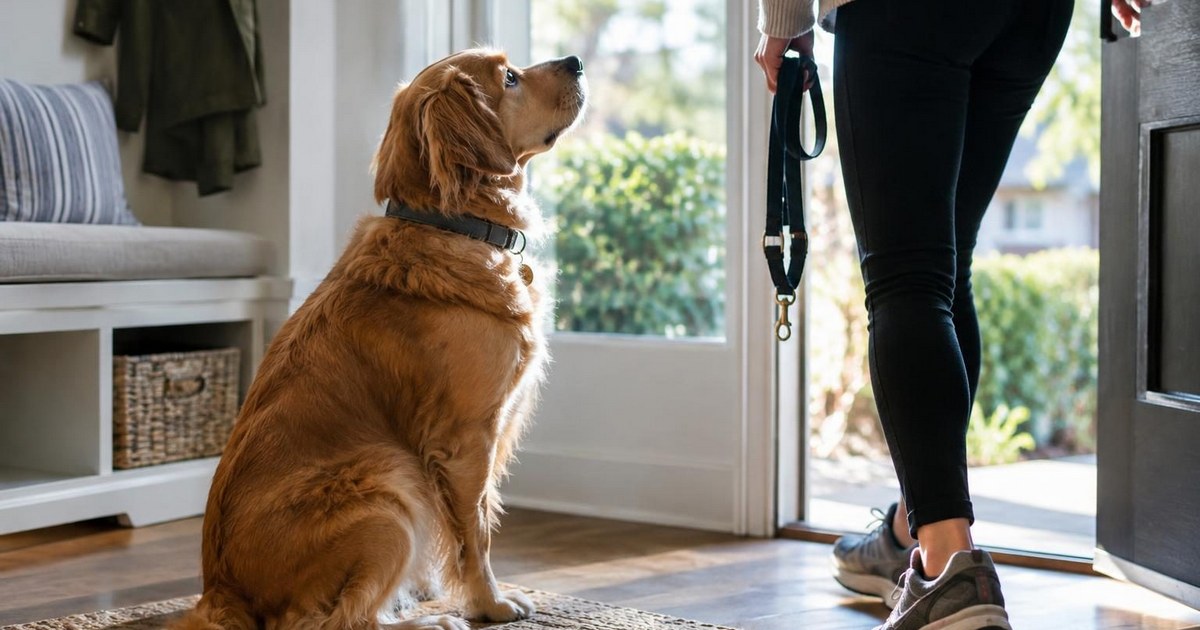
The dog waiting by the door at 6:30 a.m. may be doing more for your wellbeing than the ambitious weekend hike you keep meaning to take. Not because dogs are a shortcut to perfect health, and not because every owner suddenly becomes a marathon walker. Their quieter gift is repetition: the nudge to get up, step outside, move a little, speak to another human and keep some shape to the day.
That distinction matters. The health conversation around dogs can become too grand, too fast. Owning a dog is associated with benefits such as more activity, companionship and social connection, but association is not a promise that a dog will fix loneliness, stress or an inactive routine. AARP’s overview of dog ownership and health makes a sensible point: the potential benefits grow out of the relationship and the habits around it.
A dog is not a wellness plan. But a dog can be a very effective keeper of small appointments with life.
The power of the ordinary walk
For many people, the most useful dog walk is not the biggest one. It is the one that happens on a drizzly Tuesday when motivation is low, the inbox is full and the sofa is making a convincing argument.
Research examining dog ownership, walking and wellbeing has repeatedly found links between living with a dog and greater physical activity or opportunities for connection. That does not mean every dog owner walks more than every non-owner, and it certainly does not mean a quick lead walk is enough exercise for every dog. Still, the pattern is worth noticing: a dog can turn movement from a decision you must make into a responsibility someone else is counting on. Research on dog ownership and physical activity suggests the relationship is more complicated than a simple “dog equals exercise” formula, but routine and responsibility are central to it.
Think about the difference between “I should get some fresh air” and “the dog needs to go out.” The second thought tends to get shoes on feet.
That is also why a short, regular walk can matter more than an occasional heroic outing. A young, energetic dog may need far more activity, training and enrichment than a stroll around the block. An older dog or one with mobility limitations may need a gentler plan. But for the human at the other end of the lead, a reliable 15-minute circuit can be the piece of the day that keeps happening.
The walk is not only exercise
Dog walks have a useful lack of efficiency. A dog stops to sniff a hedge, watches a pigeon, waits while a neighbour says hello and insists on inspecting the same patch of grass that was apparently vital yesterday. It can feel slow when you are rushing. Yet that slower pace may be part of the point.
The walk creates small breaks from screens and indoor routines. It can also create low-pressure social contact: a nod to a regular, a chat about muddy paws, the familiar sight of another person taking the same route. Studies of dog walking have explored its social dimension as well as its physical one, including how dogs can make casual interactions easier to begin. One study of dog walking and social connection is a reminder that the benefit is not always measured in steps.
Of course, some walks are solitary by design, and that can be valuable too. The goal is not to turn every outing into networking. It is to recognise that your dog may be helping you claim a small piece of unstructured time that would otherwise disappear.
A better question than “Do I walk enough?”
Instead of judging yourself against an idealised image of dog ownership, try a one-week routine audit. It is more revealing than counting one unusually active Saturday.
Notice when your dog’s needs improve your day. Maybe breakfast happens at a more regular time because the morning walk comes first. Maybe you take a proper lunch break because the dog gets restless. Maybe your evening is calmer because a sniffy wander gives both of you a transition between work and home.
Then notice the friction points. Do you skip walks when the weather is bad? Is your dog bored by the same route? Are you so focused on covering distance that neither of you gets much enjoyment from it? Does the after-work walk happen too late because no one has agreed who is responsible for it?
The answers can lead to modest, practical changes. Put the lead and a towel by the door. Create two or three short route options so every walk does not require planning. Keep one outing deliberately slow and sniff-led. If your household shares care, make the schedule visible rather than relying on assumptions.
This is not about squeezing every possible health benefit from your dog. It is about protecting the routines that make life with a dog feel sustainable for both of you.
Your dog benefits from consistency too
There is a pleasant symmetry here. Dogs generally do well with predictable opportunities to toilet, move, investigate and spend time with their people. Humans often do too. A reliable routine does not have to be rigid. It simply gives both of you a dependable baseline.
That baseline is useful when life changes. A new job, a spell of poor weather, an injury or a dog entering their senior years can all alter the daily rhythm. If your usual long walk no longer works, keep the ritual where possible. Several shorter outings, a garden scent game, calm training practice or a trip to a new quiet spot may preserve the feeling of shared time while you rethink the physical demands.
Pay attention if a dog who usually enjoys walking suddenly resists, slows markedly, pants more than expected or seems uncomfortable. A skipped outing can be a preference. A clear change from their normal pattern is information, especially if it persists. In that situation, the priority is not getting your steps in. It is finding out what your dog needs from a veterinarian.
The same logic applies to food and supplements. A good routine makes it easier to spot changes in appetite, thirst, stools, energy or body shape, but it cannot diagnose their cause. If you are considering a dietary supplement, begin with the reason, your dog’s complete diet and a veterinary conversation rather than treating an extra product as a substitute for those basics.
See Troo Taurine: #1 Rated Taurine by 2100+ Vets for product details.
Commercial disclosure: DogTalk may earn a commission if you buy through a product link in this article.
The real win is a life with more repeatable good days
Dogs do not ask us to optimise every walk or turn companionship into a self-improvement project. They ask for breakfast, a place to sniff, some attention and a reasonably timely trip outside. In meeting those ordinary needs, owners often get something worthwhile back.
The most meaningful health effect of living with a dog may be wonderfully unglamorous: a morning that starts with movement, an afternoon interrupted by fresh air, an evening that has a clear stopping point. Your dog does not need to transform your life to improve its rhythm. Sometimes the person holding the lead benefits simply because the lead is there.
Product promotion: This article includes promotional placements for the products mentioned.