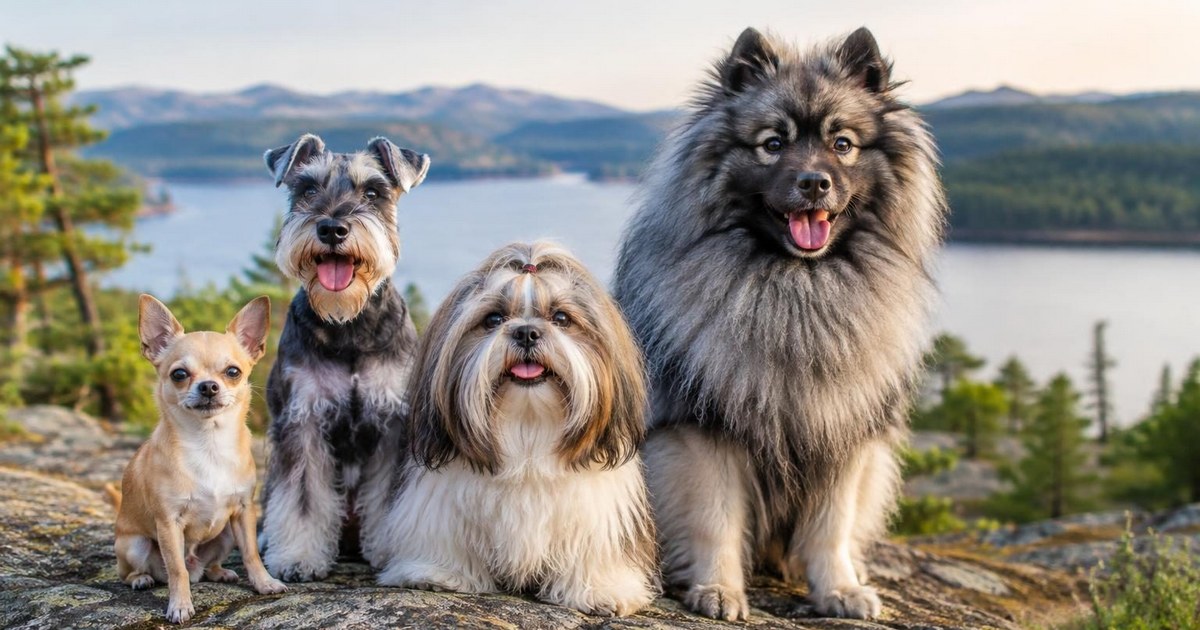
There is a reason dog owners look for their breed on longevity lists. A long life is not just a nice number. It is more ordinary mornings, more familiar walks and, for many of us, more years with the dog who has quietly shaped the household.
But a breed’s expected lifespan is context, not a countdown clock. Genetics, body size, inherited health risks, preventive care, diet, activity, dental health and plain luck all affect an individual dog. The American Kennel Club notes that lifespan can vary considerably even within a breed, and that smaller dogs often outlive larger ones, though there are important exceptions. This list is therefore not a prediction or a precise scientific leaderboard. It is a look at 10 breeds that are widely associated with long lives, arranged from the tiniest to the largest adult dogs on the list.
10. Keeshond
At first glance, the Keeshond may look like an unlikely inclusion beside toy breeds. This fluffy Dutch companion and watchdog is substantially bigger than most dogs here, but the breed is still often associated with a relatively long life for its size. The AKC’s Keeshond profile describes an affectionate, alert, people-oriented dog whose thick coat and distinctive spectacle markings make it instantly recognisable.
The Keeshond is a useful reminder that “small dog equals long life” is a trend, not a rule. A healthy weight, regular movement and a good relationship with a veterinarian matter for every dog, whether they weigh seven pounds or 40.
9. Miniature Schnauzer
The Miniature Schnauzer packs plenty of dog into a compact, sturdy body. Known for its expressive eyebrows, wiry coat and enthusiastic attitude, this terrier-like breed is often a lively presence well into adulthood. Their watchful nature can make them quick to announce visitors, squirrels and delivery vans, so mental stimulation and training are not optional extras.
Their long-lived reputation should never be mistaken for a reason to skip routine care. A dog who stays bright and playful can still develop changes that are easier to manage when spotted early. Make a habit of noticing appetite, drinking, toileting, mobility and recovery after exercise, rather than waiting for a dog to seem obviously unwell.
8. Shih Tzu
Bred to be close companions, Shih Tzus have spent centuries perfecting the art of occupying the best seat in the room. Their small stature is part of why they are frequently included in conversations about long-lived breeds, but their face shape also means owners need to take breathing comfort and eye care seriously.
A Shih Tzu’s affectionate, home-loving temperament can make it easy to assume a quieter day is simply a preference. That is why knowing your dog’s own baseline matters. If the dog who normally trots over for breakfast now hangs back, struggles with stairs or sleeps in unusual places, it is worth checking in rather than explaining it away as age.
7. Dachshund
Dachshunds are little dogs with a very big sense of purpose. Whether smooth, longhaired or wirehaired, they were developed to work underground, which helps explain the boldness and determination many owners know well. The AKC’s Dachshund breed information highlights the breed’s distinctive long body and short legs.
That unmistakable shape is also central to sensible lifelong management. Keeping a Dachshund lean, limiting unnecessary jumping and speaking with a vet promptly about pain, reluctance to move, weakness or a changed gait are practical ways to respect what makes this breed physically different. Longevity is not just about the number of years. It is about protecting comfort and mobility within them.
6. Pomeranian
Pomeranians have the confidence of much larger dogs, often delivered in a fox-like face and a spectacular cloud of coat. They are clever, responsive and frequently more athletic than their lapdog image suggests. A Pomeranian who enjoys short training sessions, safe play and regular sniffing walks is not merely being entertained. They are getting to use the curiosity that makes the breed so engaging.
Because these dogs are so small, subtle weight change can be easy to miss, especially beneath a full coat. Learning how your dog feels through the ribs, waist and abdominal tuck, with guidance from your veterinary team, can be more useful than judging by fluff alone.
5. Toy Poodle
The Toy Poodle is a strong example of why a long-lived breed needs an active mind as much as a carefully managed body. Poodles were developed as working dogs before the smallest varieties became beloved companions, and the breed remains known for trainability and problem-solving. The AKC’s guide to Poodles notes that the breed comes in three size varieties, each with the same recognisable intelligence and curly coat.
For a Toy Poodle, a few minutes of reward-based practice, a food puzzle or a new route on a walk can be a meaningful part of the day. Keeping an older dog engaged is not about demanding puppy-level energy. It is about adapting the activity to what they comfortably enjoy.
4. Maltese
The Maltese has been a companion dog for a remarkably long time, and its gentle, playful personality still suits close household life. Their white coat may draw the attention, but owners should not let grooming become the only regular health check. Brushing is a useful chance to notice skin bumps, tenderness, dental odour, discharge around the eyes or a new sensitivity to touch.
This is a good habit for every breed, but it is especially valuable in small dogs, where a change can remain hidden under coat or be dismissed as fussiness. A dog who suddenly resists handling is giving information. The next question is whether the change is behavioural, physical or both.
3. Yorkshire Terrier
Yorkshire Terriers are tiny, portable and often startlingly self-assured. The traditional long, silky coat is beautiful, but a Yorkie’s real trademark may be its willingness to participate in every household decision. Their size makes them popular with people living in smaller homes, though they still benefit from real training, socialisation and opportunities to move at their own pace.
Small stature can also make owners understandably protective. The goal is not to wrap a Yorkie in cotton wool. It is to create safe routines: prevent falls, supervise interactions with bigger dogs and children, and keep veterinary and dental care consistent through the years.
2. Jack Russell Terrier
Jack Russell Terriers have a reputation for seeming permanently switched on. They are energetic, bright and bred for demanding work, which means a contented Jack Russell usually has more than a soft bed and a quick trip outside. Games that involve scent, searching and learning can give their energy a useful outlet.
They also illustrate another important point about breed lists. A vigorous personality can conceal the gradual changes of ageing. Owners of busy, driven dogs may notice a shift first in recovery time, stiffness after rest or a shorter fuse around activities the dog once loved. Compare your dog with their own normal, not with a younger dog in your memory.
1. Chihuahua
The Chihuahua is perhaps the clearest symbol of the small-dog longevity pattern. The AKC’s Chihuahua breed profile describes a graceful, alert toy dog with a big personality, and many Chihuahuas remain deeply involved in family life for years. They may be small enough to carry, but they are not decorative accessories. They need patient training, safe exercise, social experiences and health care tailored to a very small body.
Their long-life reputation can encourage a lovely assumption that they will always be there. Let it encourage something better: planning for the long haul. Establish good toothbrushing habits, protect them from injuries around larger dogs, keep up with veterinary visits and pay attention when their normal spark changes.
Commercial disclosure: This article includes a promotional product link.
See Troo Taurine: #1 Rated Taurine by 2100+ Vets for product details.
The most useful takeaway from a list like this is not that one breed has somehow won at ageing. It is that a dog’s likely lifespan should change how we care for them. If you may have a companion for well over a decade, preventive care, sustainable routines and noticing small changes become investments in the relationship ahead.
And if your dog is not listed, do not read that as a verdict. Mixed-breed dogs and breeds outside this 10 can live wonderfully long lives too. The signs of seniorhood do not arrive on a breed schedule, and neither does healthy ageing. Which dog on this list surprised you most: the tiny Chihuahua, the tireless Jack Russell or the unexpectedly long-lived Keeshond?
Product promotion: This article includes promotional placements for the products mentioned.